
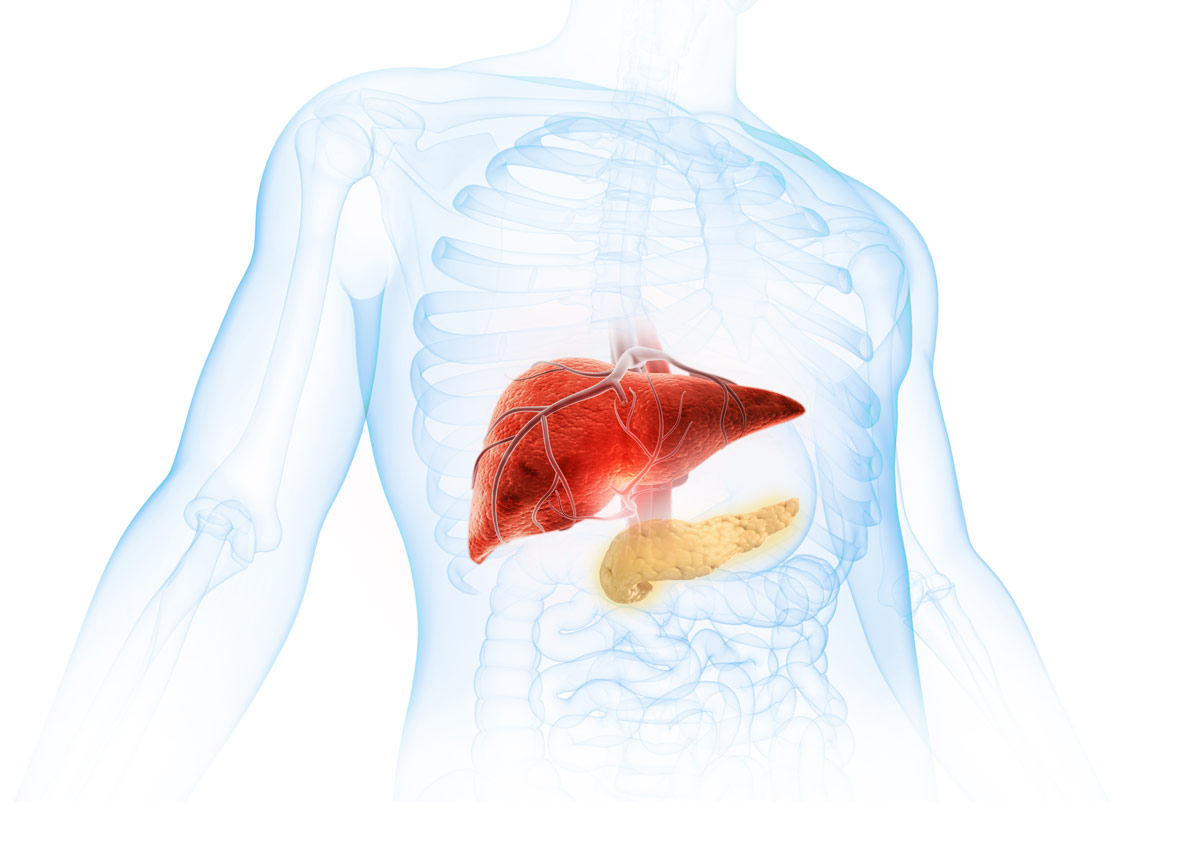
In people without diabetes, the pancreas secretes insulin directly into the liver, which helps to maintain sufficient amounts of glucokinase, the liver’s glucose-regulating enzyme.
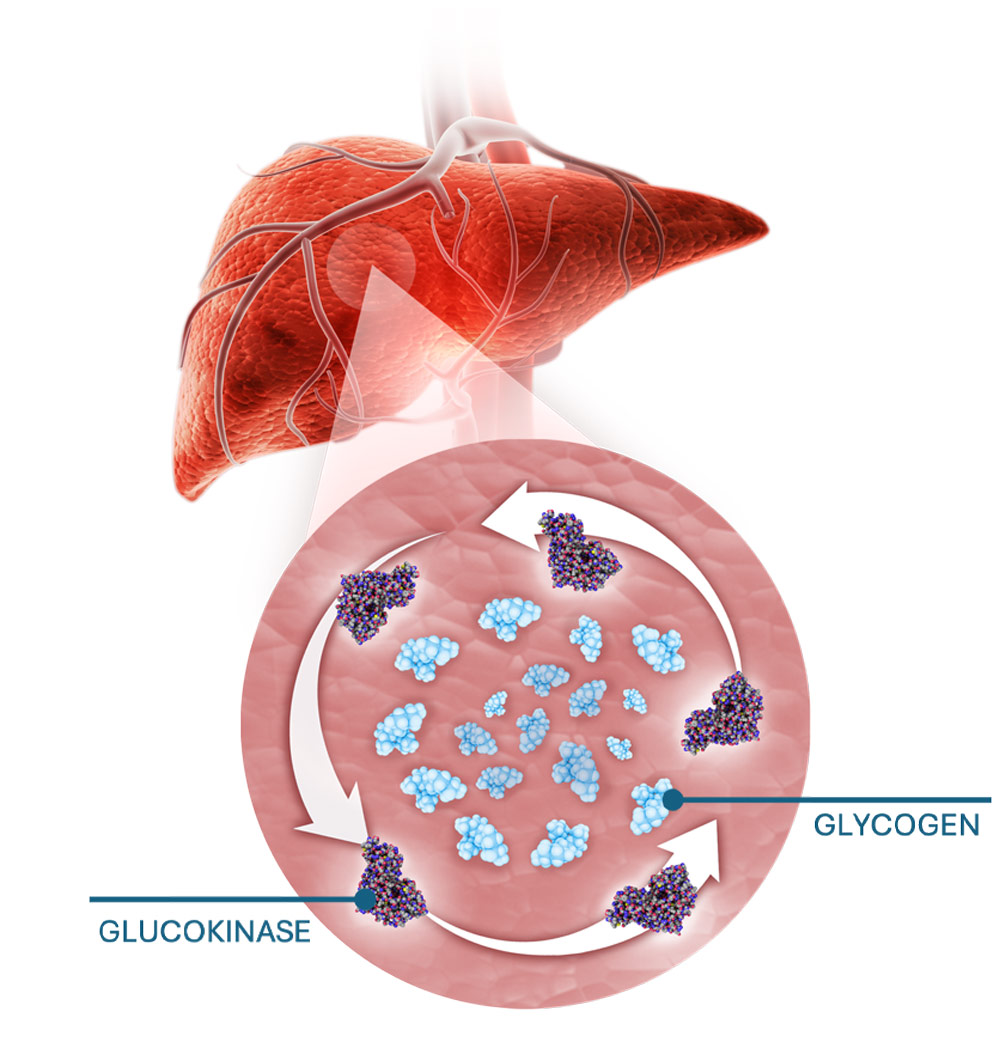
When blood glucose levels rise, glucokinase helps the liver absorb glucose from the blood. This reduces the rise of blood glucose after meals, while also converting the absorbed glucose to glycogen for storage in the liver. When blood glucose is low (especially overnight or during fasting), the liver can then release glucose from stored glycogen reserves into the blood stream.
However, for people living with T1D, insulin delivered by injections or infusions must work their way through the body to the liver and cannot achieve sufficient levels of insulin in the liver. This causes glucokinase levels in the liver to drop. A drop in glucokinase increases the risk of hyperglycemia after meals and reduces the body’s capacity to combat hypoglycemia due to diminished glycogen stores.
Cadisegliatin is a potential first-in-class oral adjunctive therapy to insulin being investigated for the treatment of T1D. It is designed to activate glucokinase in the liver. In clinical trials, cadisegliatin has shown the potential to reduce both HbA1c levels and hypoglycemia risk, supporting better overall glucose management.
In people without diabetes, the pancreas secretes insulin directly into the liver, which helps to maintain sufficient amounts of glucokinase, the liver’s glucose-regulating enzyme.

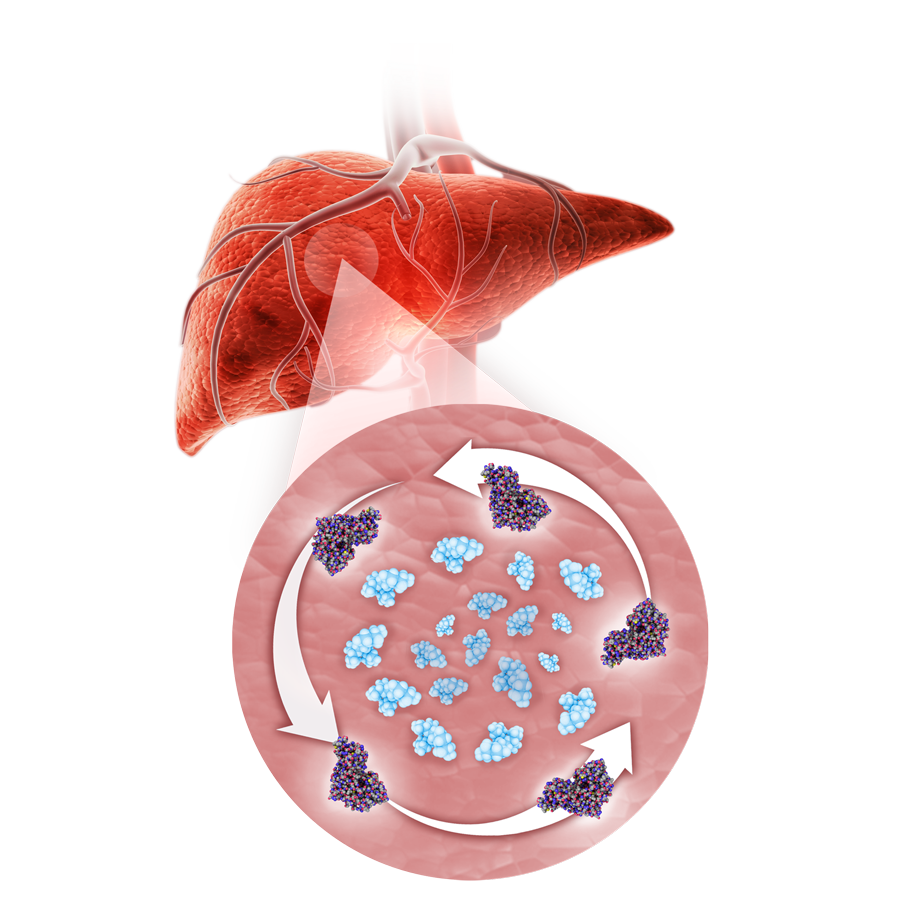

Cadisegliatin is a potential first-in-class oral adjunctive therapy to insulin being investigated for the treatment of T1D. It is designed to activate glucokinase in the liver. In clinical trials, cadisegliatin has shown the potential to reduce both HbA1c levels and hypoglycemia risk, supporting better overall glucose management.
When blood glucose levels rise, glucokinase helps the liver absorb glucose from the blood. This reduces the rise of blood glucose after meals, while also converting the absorbed glucose to glycogen for storage in the liver. When blood glucose is low (especially overnight or during fasting), the liver can then release glucose from stored glycogen reserves into the blood stream.
However, for people living with T1D, insulin delivered by injections or infusions must work their way through the body to the liver and cannot achieve sufficient levels of insulin in the liver. This causes glucokinase levels in the liver to drop. A drop in glucokinase increases the risk of hyperglycemia after meals and reduces the body’s capacity to combat hypoglycemia due to diminished glycogen stores.